


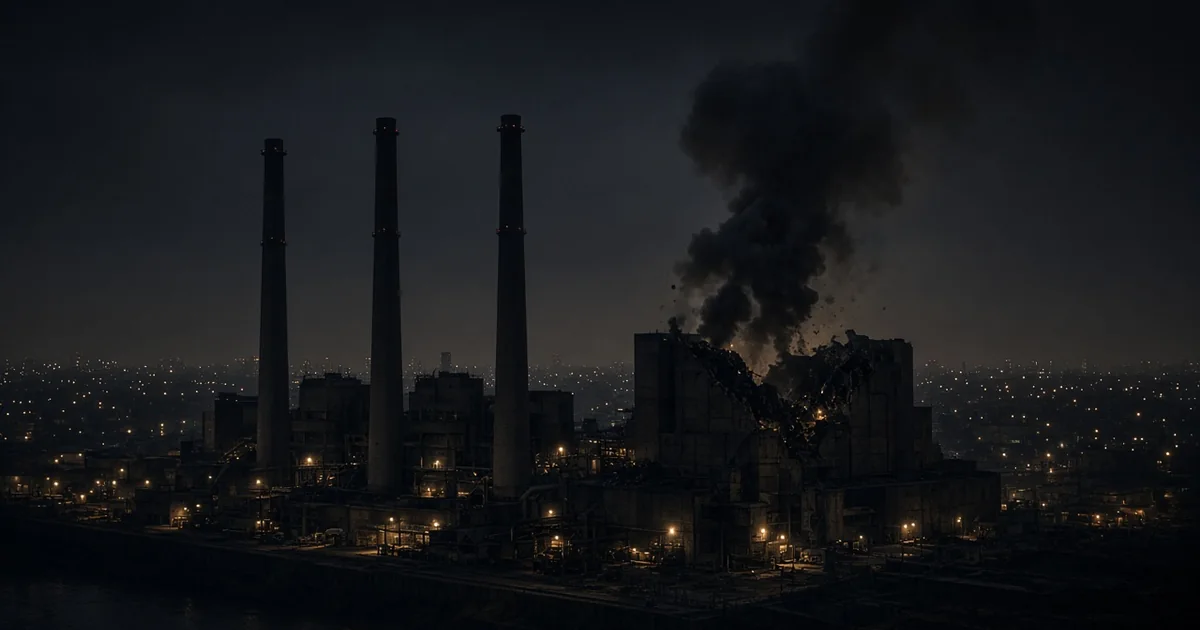
On the night of October 14, Kyiv once again came under attack by Russian ballistic missiles. According to the Ukrainian authorities, this time, as on the previous day, Western partners did not warn Ukraine about the approaching missiles.
As The Kyiv Independent reported, the first explosions in the capital rang out almost simultaneously with the air raid alert late in the evening. Kyiv Mayor Vitali Klitschko reported that a missile struck a nine-story residential building, which caught fire. At least two people were killed and more than 20 were injured.
CHP-4 in the crosshairs
President Volodymyr Zelensky wrote on social media: "A Russian ballistic missile attack on Kyiv. Again without warning from our partners." According to him, the main target of the strike was energy infrastructure, in particular CHP-4, and it was, unfortunately, hit. The president did not immediately report possible casualties or the extent of the damage at the plant.
Presidential adviser Dmytro Lytvyn, according to The Kyiv Independent, told journalists that for the second day in a row international partners have not been providing signals about missiles flying toward Ukraine. This was also confirmed by the Air Force of the Armed Forces of Ukraine.
Why warnings are so important
In defending against Russian aggression, Ukraine relies heavily on intelligence from the West, primarily the United States. This concerns both warnings about Russian attacks and assistance in identifying targets for its own strikes. The absence of such signals shortens the time for air defense to react and for people to take cover.
The situation is unfolding against the backdrop of a new escalation in relations between Kyiv and Washington. Late last week, after a conversation with Vladimir Putin, Donald Trump announced his intention to purchase hundreds of thousands of tons of Russian diesel, and later called for elections in Ukraine and a change of president. Trump also accused Ukraine of allegedly causing a global diesel shortage with its strikes on Russia's energy sector. In reality, oil and diesel prices have recently risen sharply because of the war with Iran, tagesschau emphasizes.
Has the US stopped sharing intelligence?
There is no official confirmation that the United States has stopped passing intelligence information to Ukraine. At the same time, the Financial Times reported on Sunday, citing European officials, that Washington has threatened to halt the data exchange if Ukraine does not stop attacking Russia's energy infrastructure.
Shortly before that, Trump apparently announced an "energy truce" between the warring parties, seemingly unexpectedly for the Ukrainian leadership. However, Moscow continued striking civilian targets in Ukraine.
There is already a precedent: in March 2025, after Zelensky was publicly humiliated during a visit to the White House, Washington temporarily suspended the transfer of some important military intelligence to Ukraine. At the time, CIA Director John Ratcliffe officially confirmed this.
Based on materials from tagesschau.de, 14.10.2026.